A Day Without Citizenship T-Shirt: A Designer's Review
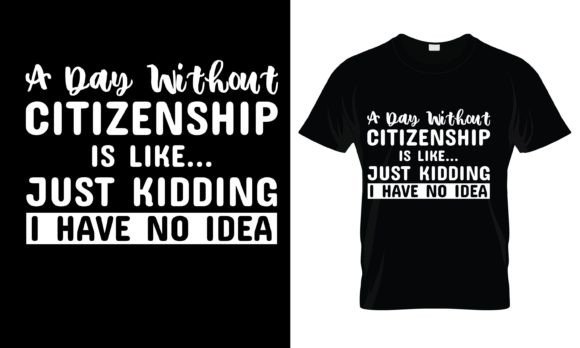
As a designer who spends more time staring at stitch maps than most people care to admit, I approach every new machine embroidery design with a mix of curiosity and skepticism. When I first pulled up the files for the A Day Without Citizenship is T-Shirt graphic, my immediate reaction wasn't just about the political or social statement it makes, but how that statement translates into thread. We aren't just printing ink on fabric here; we are building texture, depth, and durability. This review breaks down how this specific asset performs when moved from a digital Print Templates category into the tangible world of hoop art and custom apparel.
First Impressions: Mood and Layout
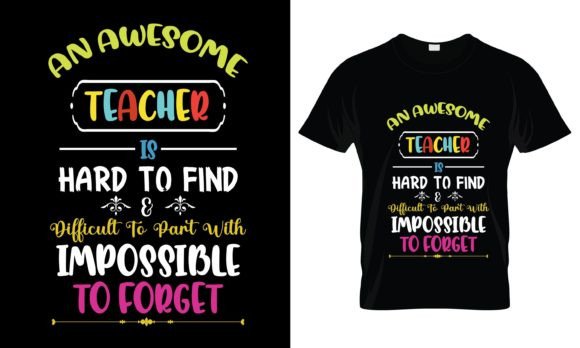
The visual personality of this design is bold and declarative. In the context of teacher t-shirts or activist wear, the layout needs to be legible from across a room, and this graphic delivers on that front. The typography appears sturdy, which is crucial because delicate serifs can easily get lost in high-density stitching or fray after multiple washes. When viewing the provided SVG File and EPS File, the vector paths look clean, suggesting that converting these Graphics into a stitch file should result in smooth curves rather than jagged, pixelated edges. The mood is serious yet empowering, making it an ideal candidate for projects where the wearer wants to spark conversation without shouting.
For an Etsy seller or craft business owner, the versatility of the theme is a major plus. It fits naturally into collections focused on civic engagement, education, and community building. However, as a reviewer, I look past the message to the mechanics. The spacing between letters seems adequate for standard fill stitches, but if you plan to scale this down for a pocket logo or a small patch, you will need to be very careful with your digitizing settings to prevent the threads from merging.
Real-World Application: The Custom Sweatshirt Scenario
To truly test the viability of this design, I imagined a real-life scenario: a local teachers' union ordering custom sweatshirt embroidery for a rally. They want the design on the back of heavy cotton-blend hoodies. This is a demanding environment. The fabric is thick, textured, and often uneven. Using the high-resolution PNG File 4500×5400-300 dpi as a reference for placement, the design holds its shape well against the bulk of the garment.
In this scenario, the A Day Without Citizenship is T-Shirt concept transitions from a screen graphic to a tactile handmade product. The weight of the thread adds a premium feel that simple screen printing cannot match. For a small shop product line, this elevation in perceived value is critical. Customers are willing to pay more for items that feel substantial. If executed with a proper underlay and appropriate stitch density, this design could become a staple item for boutique branding or holiday gifts aimed at socially conscious buyers.
Navigating Fabric Challenges
While the design shines on sturdy materials like denim, canvas tote bags, or heavyweight fleece, there are areas where caution is required. If you attempt this on a thin, stretchy t-shirt without the right preparation, the dense areas of the text could cause the fabric to pucker or warp. This is a common pitfall with statement graphics that rely on solid blocks of color.
- Textured Fabrics: On towels or rougher linens, ensure your running stitch outlines are sharp enough to define the edges against the looped surface.
- Dark Fabric: If stitching on black or navy, you must account for the background showing through. You may need to adjust your thread colors or add a denser underlay to ensure opacity.
- Curved Surfaces: Placing this on a cap requires significant distortion correction in your digitizing software. The straight lines of the text will look warped if applied directly to a curved crown without adjustment.
- Small Hoop Sizes: If you are working with a 4x4 hoop, you might have to split the design or reduce the size significantly, which risks losing the clarity of the smaller details.
Technical Considerations for the Embroiderer
Before committing to a production run, practical testing is non-negotiable. Since the product description highlights that you receive vector files (SVG, EPS) and a high-res PNG, it implies that the actual embroidery file (like DST or PES) might need to be generated by you or purchased separately depending on the vendor's full offering. If you are digitizing this yourself from the provided vectors, pay close attention to the corner sharpness. Square corners in text can pull out if not secured with proper tie-offs.
I strongly advise creating a printable mockup first to visualize the scale. Then, stitch a sample on scrap fabric that matches your final material. Check the stabilizer usage; for a design with this much textual content, a cut-away stabilizer is often safer than tear-away, especially for garments that will undergo frequent washing. This ensures the finished product maintains its professional appearance over time, preserving customer trust and brand consistency.
Commercial Viability and Licensing
For those looking to use this as a commercial embroidery asset, understanding the license is paramount. The description mentions "Teacher T-shirts Design" and lists various file formats suitable for cutting machines and print templates. However, using a graphic intended for print as a basis for embroidery sales requires verifying the terms. Can you sell the stitched item? Can you sell the digitized file? These questions must be answered before listing items in your online store.
Assuming the licensing permits commercial use of the physical goods, this design has high potential for personalized gift markets. Imagine pairing this with a custom embroidered patch for a jacket or adding it to a tote bag design for a bookstore giveaway. The adaptability allows it to serve multiple niches, from baby embroidery (if scaled down and softened) to adult activist wear.
Final Verdict on Visual Appeal and Value
The A Day Without Citizenship is T-Shirt design succeeds because it balances a strong message with a clean, executable layout. It avoids overly intricate shading that would complicate the stitching process, relying instead on bold forms that read well in thread. For the creative entrepreneur, this represents a low-risk, high-reward asset. It appeals to a specific demographic that values expression, and when rendered in high-quality embroidery, it transforms a simple statement into a piece of wearable art.
Ultimately, the success of this project lies in the execution. Respect the limitations of your machine, choose your fabrics wisely, and always test your stitch density. If done correctly, this design will not only look good but will stand up to the rigors of daily wear, making it a valuable addition to any design assets library for modern makers.